
A Mother’s Story of Love, Loss, and a Fight for Change
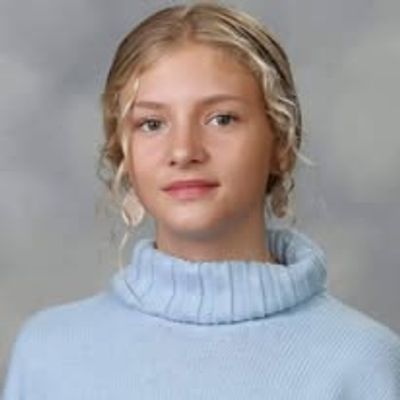
My daughter, London Izabella-Ryén Gadd, was only 12 years old.
Her life was taken by a series of failures — medical failures, mental health system failures, social media failures, and human failures.
Before Everything Changed
In early 2023, London began struggling with anxiety and low moods.
Her doctor prescribed Wellbutrin, but London immediately said she didn’t like how it made her feel. We stopped it and turned to vitamins and nutritional support instead. Even then, she knew her body better than the adults prescribing to her.
By October, she was overwhelmed.
A note expressing hopelessness fell out of her pocket at school, and within hours she was admitted to Pine Rest for crisis care. I believed she was safe.
But the first cracks in the system were already showing.
I was told she “had to be on something” before she could be released. I resisted. I advocated. But eventually, under pressure, she was placed on Prozac.
She took it for five days before telling me she hated how it made her feel.
I trusted her.
I stopped it.

A System That Failed Her
What followed was a maze of contradictions, pressure, and missed opportunities to protect my child.
We were sent to providers who couldn’t treat her.
We were left scrambling for care.
We were reassured instead of informed.
Still, London kept trying.
Still, she asked for help.
The beginning of the end
In July of 2024, London told me she needed help again.
We returned to Pine Rest.
Within hours, I was told the same thing:
“She has to be on something before we can release her.”
This time, I was convinced to agree.
I was told she would be given a low dose of Prozac — 10 mg.
Her medical record later showed she was given 20 mg.
No one warned me about the black box warning.
No one explained the increased risk of suicidal thoughts in children.
No one told me about the critical risk window in the first few weeks.
I trusted the system.
I wish I hadn’t.

moments I hold onto
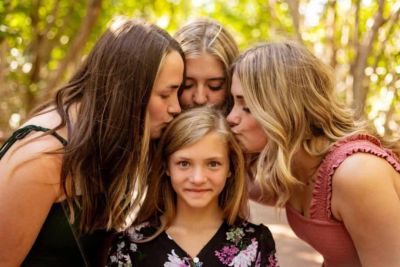
When London came home, she seemed okay.
She laughed. She asked for sushi. She hugged her friend.
We went up north for my wedding, and for three nights in a row, she asked to cuddle with me. She even wanted to sleep next to us on our wedding night.
Looking back, I know what she needed.
She needed to feel safe. Close. Protected.
I would give anything to go back and hold her there longer.
The Night Everything Broke
On July 30th, London was at her father’s house.
She had some pills — and plans to take them.
She told friends what she was going to do.
She reached out to her counselor for help.
No one told us. No one intervened.
This was three weeks after starting Prozac — the exact window where suicidal thoughts are known to increase in children.
The next day, she came home, she seemed normal. Happy. Laughing.
That night, she hugged me tightly and told me she loved me.
I didn’t know she was saying goodbye.
“I Didn’t Mean It”
Later that evening, I found her on the floor.
She was in pain. Crying. Apologizing.
“I’m sorry. I didn’t mean it.”
She told us she had taken pills — not to die, but to hurt her stomach.
A 12-year-old doesn’t understand the consequences of something like that.
She trusted that she would be okay.
She trusted that someone would save her.
I trusted that when we walked into the hospital she would be safe, and instead, they let her die.
The ER That Failed to Save Her
We rushed her to the hospital.
We told them she had taken pills.
We waited.
I begged them to act — to pump her stomach, to give her charcoal.
They told me those treatments were “old school.”
They did nothing.
They did not treat it as urgent.
They did not tell us she was in danger.
They did not act in time.
London laid in that hospital bed and asked me to climb in with her.
So I did.
I held her. I sang to her. I tried to comfort her.
Shortly after midnight, she began hallucinating.
Then she began seizing.
Then her heart stopped.
My World Ended
Despite everything — despite the time, the warnings, the opportunities to intervene — my daughter was not saved.
At 2:39 AM, London died.
My world ended in that moment.
What I Learned After
After her death, the truth began to surface.
No one had explained the risks of Prozac.
An informed consent form was signed in my name that I never saw.
Her dosage was increased without my knowledge.
There was no follow-up monitoring.
Her diagnosis had been changed to meet insurance requirements.
Her counselor never reported her cries for help.
Poison Control guidance was never shared with us.
Every system that should have protected my daughter failed her.